SP Leiden: ‘geen stok tussen spaken nieuwe coalitie’

Ze gingen er maar liefst twee zetels op achteruit. Van 5 naar 3. De SP leverde flink in en staat buitenspel in de coalitievormingen die neigen naar de combinatie D66, GroenLinks en VVD. Allemaal tegen de verwachting van SP leider Antoine Teeuwen in en dus kwam de klap hard aan. De fractievoorzitter toont zich echter strijdbaar. “Geeft niets. Wij gaan gewoon in de oppositie”, zei hij tijdens de uitzending van Politiek071.

Waar het volgens Teeuwen mis ging is lastig met zekerheid te zeggen. “De landelijke trend heeft een belangrijke rol gespeeld. Ook in Amsterdam en Utrecht hebben we verloren.” Dat kwam voor de SP leider als een grote verrassing. Het zag er landelijk namelijk naar uit dat de SP zou gaan winnen. “We hebben het niet zien aankomen. Lokaal hebben we 8 jaar een wethouder (Roos van Gelderen, red.) gehad die het goed gedaan heeft op haar gebied zorg en welzijn.” De komende tijd wil Teeuwen met zijn partij meer de ombudsmanfunctie gaan vervullen. “We gaan de fiets op en de wijk in.”

Antoine Teeuwen in gesprek met Lieuwe van Slooten

Hoe de komende vier jaar eruit komt te zien hangt voor de SP een beetje af van de formatie besprekingen. Ze gaan daar namelijk voor een akkoord op hoofdlijnen. “Ik hoop niet dat er veel op papier komt, want dan kunnen we meer in de gemeenteraad beslissen. Dan kan elke fractie beslissen wat zij het beste voor de stad vinden.” Eerder deze week gaf Marleen Damen (PvdA) al aan constructief oppositie te gaan voeren. De SP is het daarmee eens. “Je moet altijd je best doen voor de stad. Om je stok tussen de spaken te steken, dat heeft geen nut.”

Extra debat
De SP krijgt de komende raadsperiode dus een andere rol. Van collegepartij naar oppositiepartij. Het moet dus afscheid nemen zijn wethouderspositie. Voorlopig vervult Roos van Gelderen nog die rol tot de formatie is afgerond. Het zou echter al eerder kunnen ophouden voor Van Gelderen. Aanstaande donderdag staat haar een extra debat te wachten.

Het zal gaan over een overschrijding van 1,2 miljoen op de begroting voor de opvang van vluchtelingen. Van Gelderen is verantwoordelijk en moet tekst en uitleg geven. Of ze in het zicht van de haven zal stranden verwacht Teeuwen niet. “Een motie van wantrouwen zie ik niet gebeuren. Dat zou wel heel gemeen zijn.” Wel is Teeuwen kritisch. “Wij zijn altijd kritisch, ook op onszelf. Het maakt ons niet uit of ze dan toevallig van onze partij is of niet. Wij spreken het college daar ook op aan.”

Podcast: studenten maken exitpolls in Leiden

Studenten Journalistiek en Nieuwe Media en Politicologie maakten op 21 maart exitpolls voor de gemeenteraadsverkiezingen. Hun uiteindelijke peiling zat niet ver van de daadwerkelijke uitslag. Wij gingen de stemlokalen af met hun docent Jaap de Jong.

VVD blijft de grootste en GroenLinks verdubbelt in Voorschoten

Voorschoten koos dwars tegen de landelijke trend in voor de gevestigde landelijke politieke partijen VVD, CDA en Groenlinks, terwijl de lokale partij ONS Voorschoten zetelverlies aan de broek kreeg. D66, PvdA en SP konden niet profiteren van de twee extra raadszetels die in Voorschoten op het spel stonden omdat het dorp meer dan 25.000 inwoners heeft.

De grote vraag bij de gemeenteraadsverkiezingen in Voorschoten was of de drie coalitiepartijen VVD, ONS Voorschoten en CDA zouden worden afgerekend op de turbulente jaren waarin het volledige college van burgemeester en wethouders werd vervangen en het dorp onder curatele van de provincie werd gesteld. Uiteindelijk betaalde alleen de lokale partij ONS Voorschoten de prijs, zij leverde een zetel in en haalde 894 stemmen minder. De VVD krijgt er een zetel bij en groeit naar vijf, het CDA blijft staan op vier, maar trok wel meer stemmen. Grote winnaar was ook hier GroenLinks die zowel in absolute stemmen als in zetels verdubbelt.

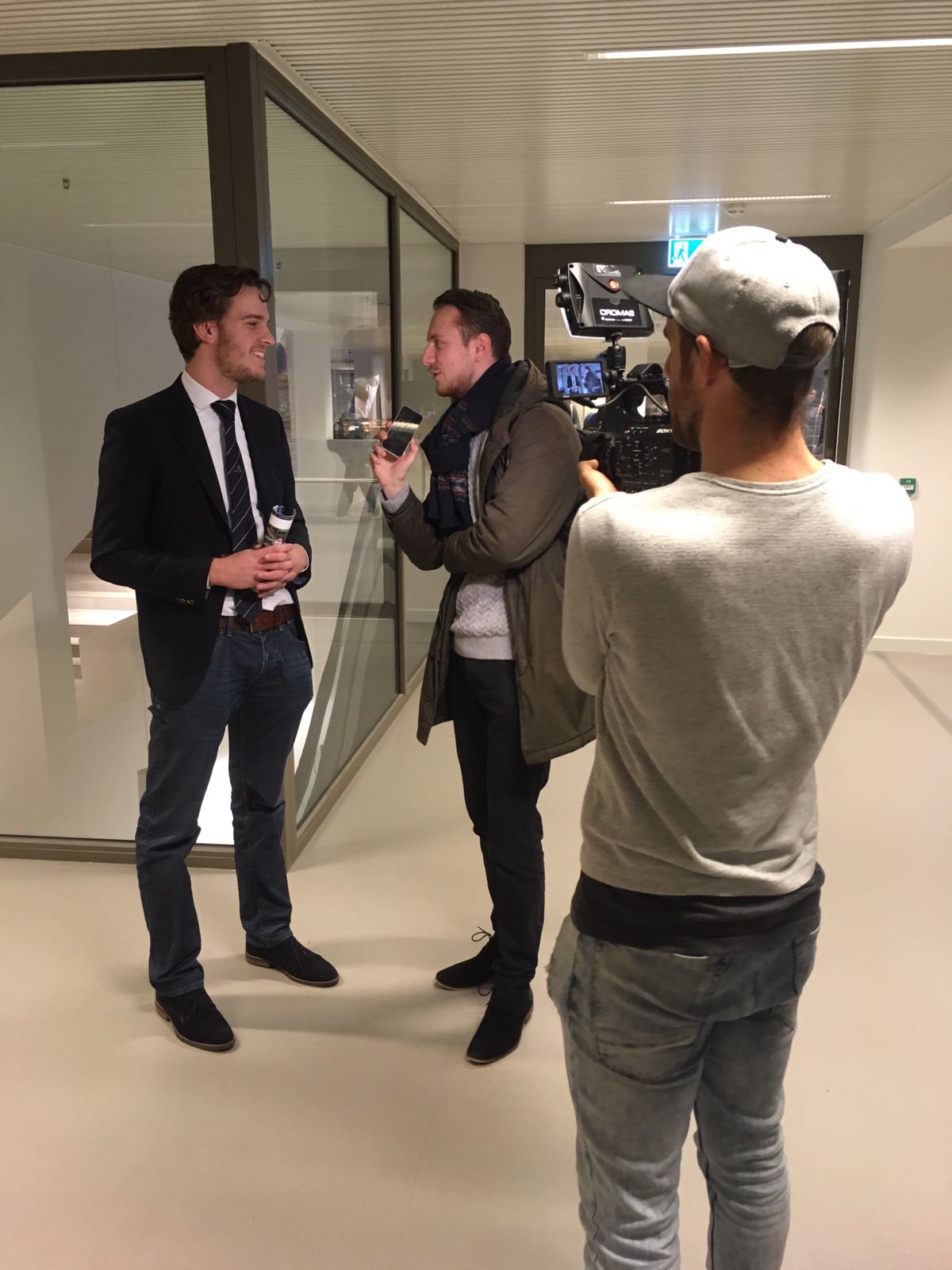
Verslaggever Lieuwe van Slooten in gesprek met VVD-lijsttrekker Nanning Mol.

Verslaggever Lieuwe van Slooten in gesprek met GroenLinks-lijsttrekker Johan van Rixtel.

Verslaggeefster Gerry van Bakel in gesprek met CDA-lijsttrekker René Zoetemelk.

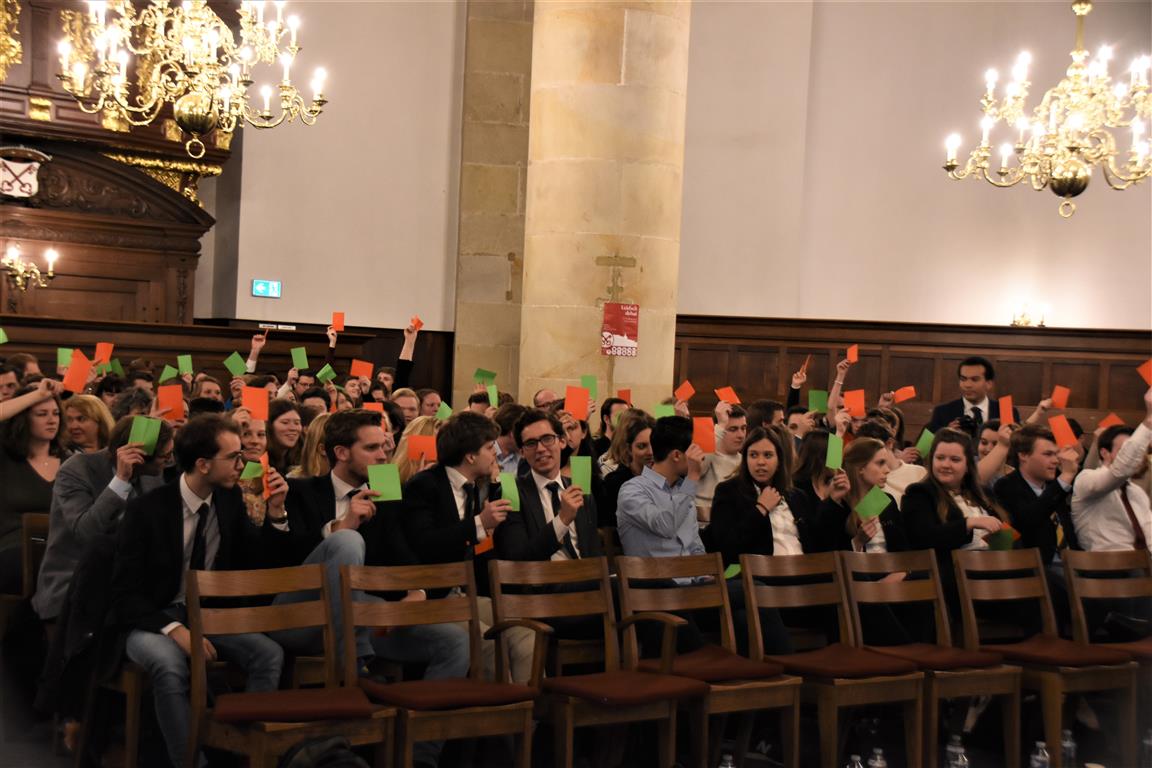
Om iets na elf uur kon waarnemend burgemeester Pauline Bouvy-Koene de voorlopige uitslag van de gemeenteraadsverkiezingen bekendmaken in een bomvolle raadzaal aan de Leidseweg. Zij feliciteerde alle verkozenen die de komende vier jaar als raadsleden aan het werk mogen gaan. Donderdag 22 maart beginnen de coalitieonderhandelingen waarbij in eerste instantie de VVD als grootste partij aan zet is. Burgemeester Bouvy-Koene zal die onderhandelingen op de voet volgen, maar heeft als burgemeester zelf geen rol daarin.

Verslaggeefster Gerry van Bakel in gesprek met waarnemend burgemeester Pauline Bouvy-Koene.

D66 moest een licht verlies accepteren van 79 zetels en behield daarmee drie zetels in de nieuwe gemeenteraad van Voorschoten. Lijsttrekker Adriaan Andringa verwerkte de binnenkomende resultaten via een excel bestandje tot de voorlopige zetelverdeling. Na de eerste vier stembureaus kwam D66 uit op drie zetels. “Ik ben daar erg happy mee”, zei hij tegen verslaggever Lieuwe van Slooten.

Verslaggever Lieuwe van Slooten in gesprek met D66-lijsttrekker Adriaan Andringa.

SP lijsttrekker Erik Maassen zag al voordat de definitieve uitslag bekend was gemaakt dat zijn partij geen winst had geboekt, maar was blij dat er tenminste een zetel was behouden voor zijn partij.

Verslaggeefster Gerry van Bakel in gesprek met SP-lijsttrekker Erik Maassen. 

Ook de Partij van de Arbeid had gehoopt op meer stemmen en zetelwinst, maar kreeg 125 stemmen minder dan vier jaar geleden.

Verslaggever Lieuwe van Slooten in gesprek met  PvdA-lijsttrekker Ad de Graaf.

PvdA Voorschoten ziet fusiepartij Progressief Voorschoten wel zitten

“Dat klinkt mij niet gek in de oren”, zei Ad de Graaf, lijsttrekker van PvdA Voorschoten in Politiek071 op de vraag of hij iets ziet in progressieve samenwerkingen zoals die er zijn in Oegstgeest en Zoeterwoude. “Maar eerst wil ik de verkiezingsuitslag afwachten.” De Graaf ging verder in op de begroting, het woningtekort en een mogelijke fusie.

Campagne
De verkiezingen komen er aan en De Graaf is al volop in campagne modus. “We naderen het eind al bijna, we gaan nog door tot dinsdagavond.” Hoe die campagne gaat? “We merken een positievere houding tegenover de PvdA ten opzichte van vier jaar geleden.” Maar, De Graaf vindt het soms wel lastig om de kiezers te overtuigen. “Heel veel mensen weten niet welke partijen er in het College van Burgemeester en Wethouders zitten.”

IJsbrand Terpstra in gesprek met Ad de Graaf in Politiek071

Bezuinigingsmaatregelen
Met Voorschoten gaat het financieel niet lekker, de gemeente moet flink bezuinigen en stond tot voor kort onder curatele van de provincie. “Wij hebben in oktober een alternatieve begroting ingediend.” Daarmee wil de PvdA de aangekondigde bezuinigingsmaatregelen anders aanpakken. “Panden die eigendom zijn van de gemeente willen we verkopen en met dat geld moeten bestaande voorzieningen zoals het cultureel centrum en zwembad Het Wedde in leven worden gehouden.”

De randen van de stad
Een ander speerpunt van de PvdA is de sociale woningbouw. Het is volgens De Graaf niet de bedoeling dat groen daarvoor moet wijken. “Het is veel interessanter om bestaande bouw daarvoor te gebruiken.” Of regionale samenwerking dan de oplossing is weet De Graaf niet. “De minister van Binnelandse Zaken heeft recent nog gezegd dat er aan de rand van de stad gebouwd moet gaan worden.” De rand van de grote stad, Leiden, bestaat voor een deel uit Voorschoten. Daar bouwen zou volgens De Graaf ten koste gaan van groen.

Wassenaar boven Leiden
Regionale samenwerking wil De Graaf sowieso eerder met Wassenaar dan met Leiden. “Er is vorig jaar een enquête geweest onder de Voorschotenaren waarvan 65% heeft gezegd dat als er gefuseerd moet worden, dan liever Wassenaar dan Leiden. Wij volgen daarin wat de inwoners van Voorschoten willen.”

Gepubliceerd op: http://sleutelstad.nl/2018/03/12/pvda-voorschoten-ziet-fusiepartij-progressief-voorschoten-wel-zitten/

Waarom ik geen Master ga doen!

Na je bachelor ga je een Master doen. Zo gaat dat normaliter bij de meeste studenten, maar niet bij mij. Ik ga na 4,5 jaar Bestuurskunde op zoek naar een baan. Een baan in de journalistiek.

Waar het tegenwoordig de gewoonste zaak van de wereld is om een dubbele master te volgen, kies ik er dus voor om helemaal geen master te volgen. Dat leidde tot verbaasde reacties onder mijn vrienden die anders kozen. “Waarom geen Master? Nu heb je nog de kans!”, “Ik zou wel voor dat papiertje gaan hoor”, en “Als je stopt met studeren kun je niet meer maximaal lenen?”, zomaar een greep uit de opmerkingen die ik kreeg.

TEGEN DE STROOM IN

Toch ga ik tegen de stroom in. Niet alleen omdat dat in mijn karakter zit, maar ook omdat ik het na 4,5 jaar echt genoeg geweest vind. Ik heb altijd veel naast mijn studie gedaan en dat is dan ook een van de redenen dat ik 1,5 jaar uitgelopen ben. Daar heb ik echter geen spijt van, want dingen naast mijn studie doen vond ik altijd het leukste eraan. Zo zat ik bij zowel de Leidse als de Haagse lokale radio, werkte ik in de marketing en deed ik meerdere commissies. Bovendien ben ik ook nog een half jaar in het buitenland geweest. Mijn bachelor diploma is daarom niet zomaar een diploma, maar een bachelor plus diploma, al zeg ik het zelf.

Lieuwe van Slooten

Aan het werk voor de radio

HBO-NIVEAU IS GENOEG

Een andere reden waarom ik geen master wil gaan doen is omdat ik denk dat dat niet nodig is. Ik denk dat ik meer heb aan werkervaring dan aan een extra studie. In vacatures die mij interesseren staat vaak hbo-niveau als vereiste. Met mijn universitaire bachelordiploma zit ik daar dus al boven. Wel staat er als andere vereiste vaak ‘minimaal vijf jaar relevante werkervaring’. Daar moet ik nog aan werken, maar een Master gaat niet het verschil maken.

NIVEAU IN HET BUITENLAND ALS EEN SOORT MASTER

Dit besluit heb ik een paar maanden geleden genomen toen ik in het buitenland zat. Toen ik twee weken alleen op reis was heb ik er goed over nagedacht wat ik nu wilde. Ik had weinig motivatie meer om verder te studeren. Vooral omdat ik erg hard heb gewerkt tijdens mijn study abroad semester. Het voelde eigenlijk als een soort master omdat het academisch niveau daar soms vergelijkbaar was aan Harvard of Yale. Ik was echt uitgestudeerd.

Lieuwe van Slooten

Nadenken over mijn toekomst. Wel of geen Master doen?

Het is misschien een vreemde keuze die je niet zo snel zou verwachten, maar ik denk dat het mij gaat brengen waar ik wil komen. Mocht het echter niet lukken met het vinden van een baan dan is er altijd nog plan B; wél een Master gaan doen.

Ga jij wel een Master doen? Vertel mij je redenen in de comments!

Gepubliceerd op: https://www.hetleidskwartiertje.nl/waarom-geen-master-ga/

Het woningprobleem, hoe willen de Leidse partijen dat oplossen?

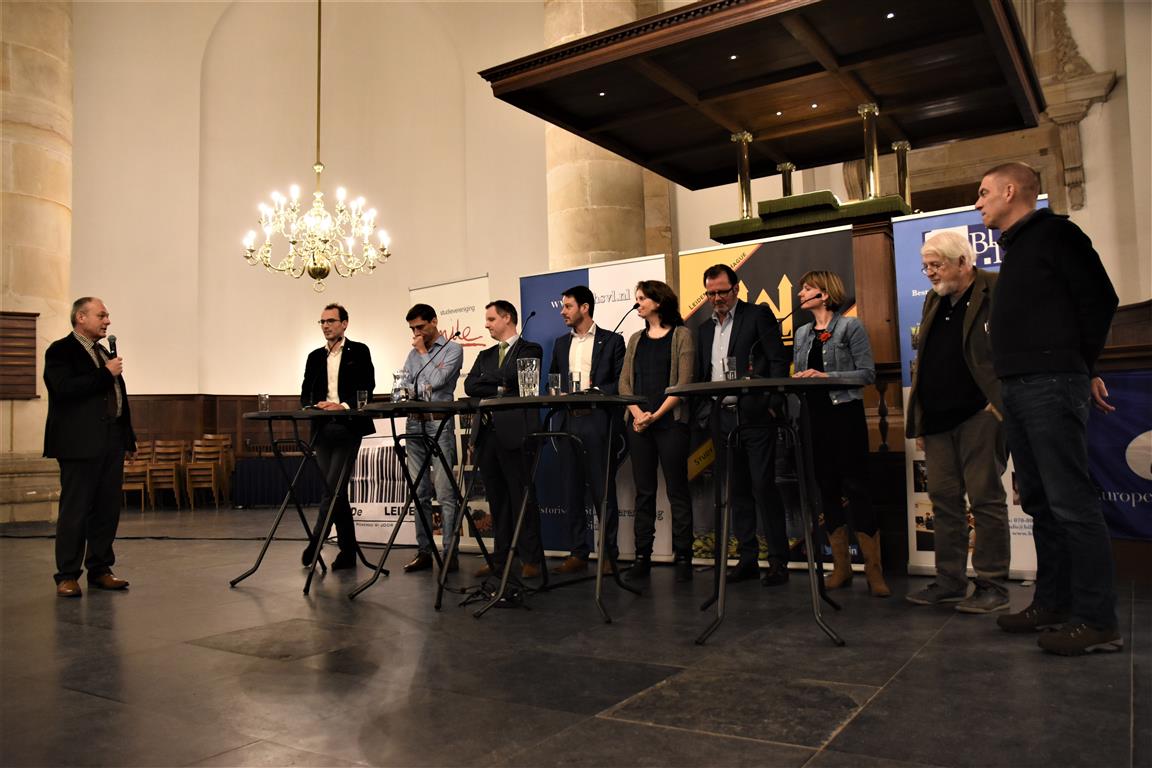
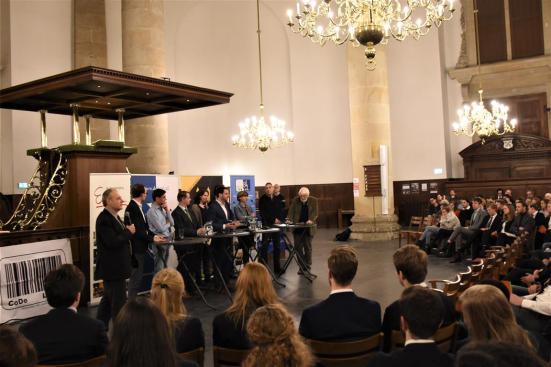
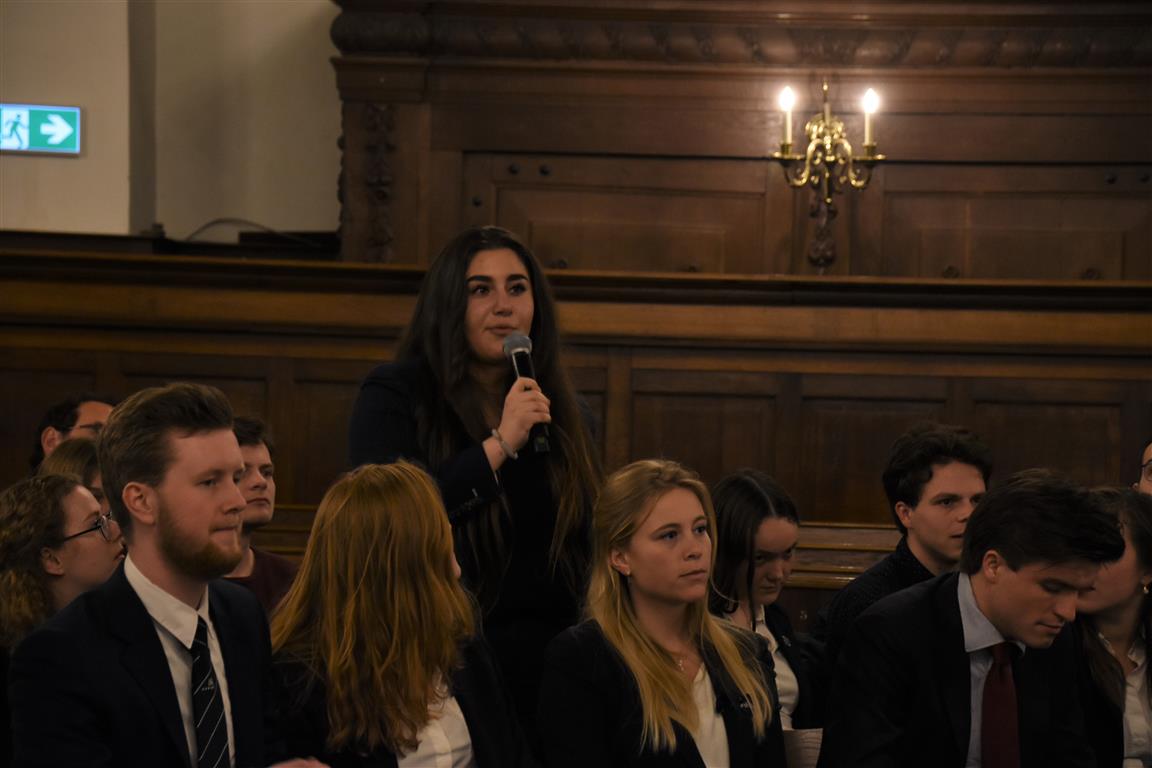
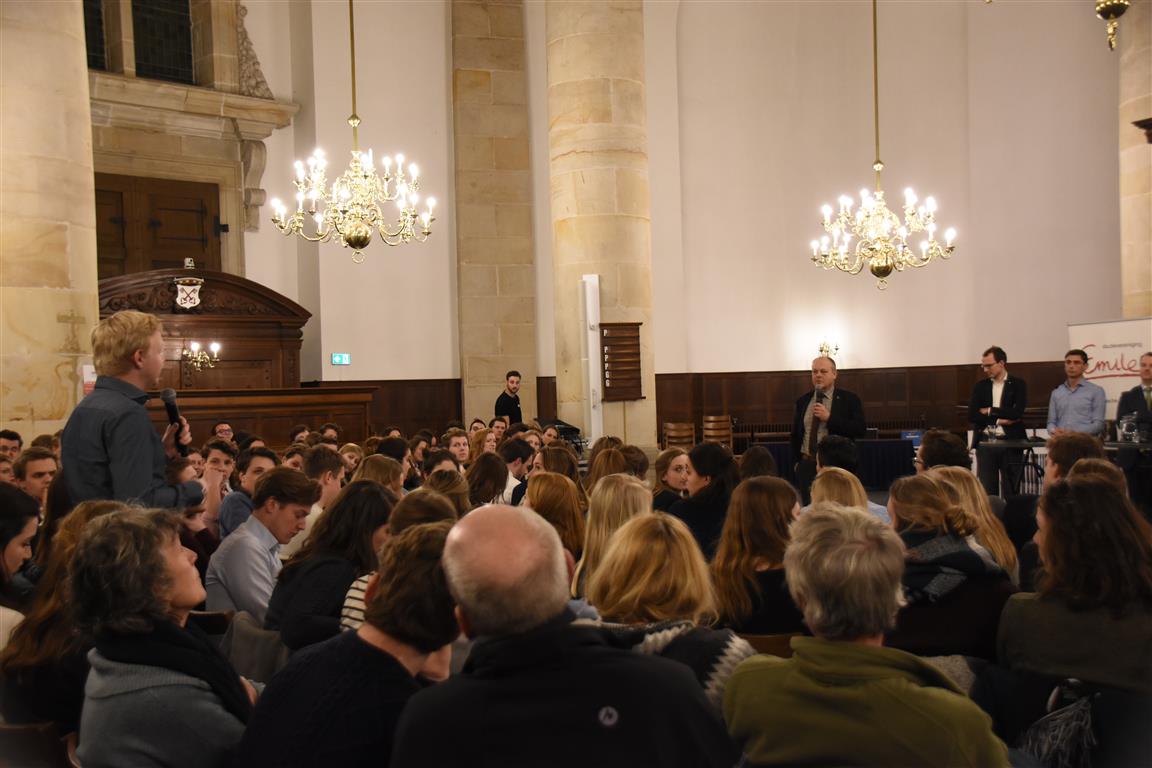
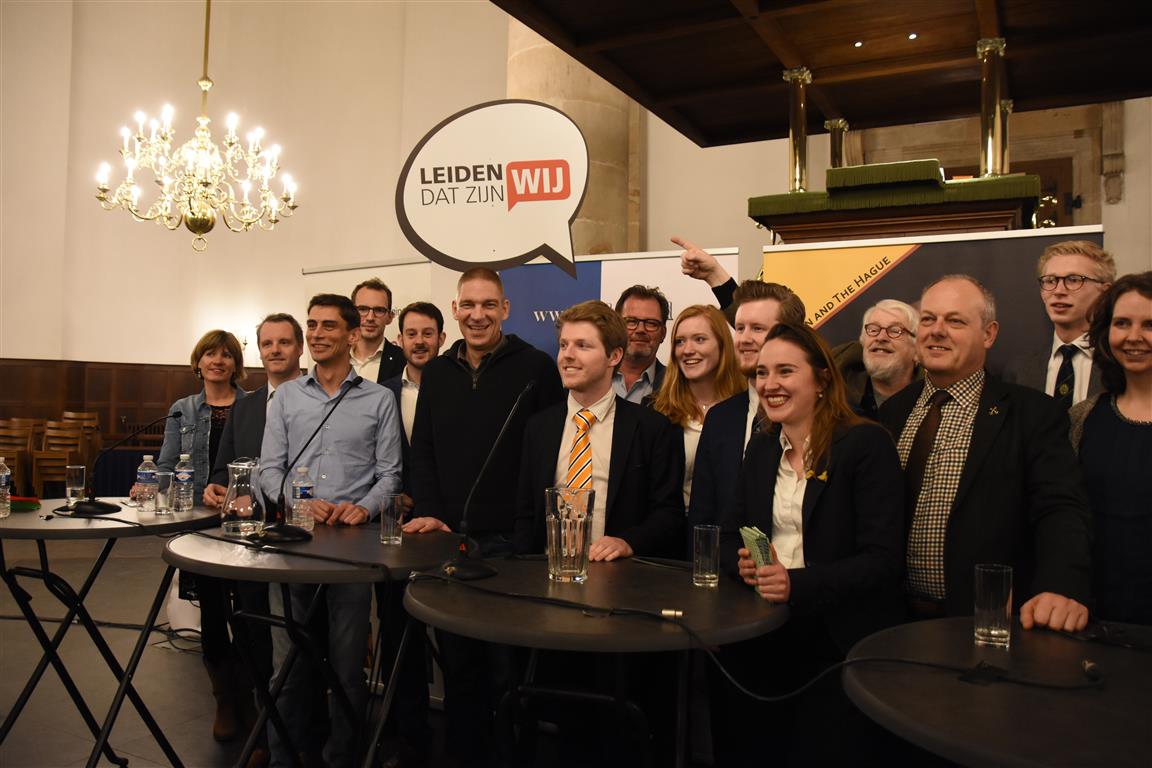
Het is de billion dollar question in Leiden, het grote verkiezingsthema; hoe lossen we het woningtekort in Leiden op? Bijbouwen, daar zijn de meeste partijen het wel over eens. Maar waar, hoe en hoeveel, dat verschilt per partij. Tijdens het Leidsch Debat afgelopen dinsdag gingen de Leidse politici er uitgebreid op in. Zeker voor de jonge studenten die in groten getale naar de Marekerk waren gekomen was het een belangrijk onderwerp. Kunnen zij na hun studie nog wel in Leiden blijven wonen bijvoorbeeld?

Geen Amsterdam
De meeste partijen willen er flink wat woningen bij gaan bouwen. In het debat noemde VVD lijsttrekker Paul Laudy een krappe drieduizend extra studentenwoningen en nog eens zevenduizend woningen voor starters. Veel andere partijen delen de opvatting dat er huizen bij moeten. “We moeten iets doen aan de doorstroom van de woningmarkt en ervoor zorgen dat we geen Amsterdam worden dat helemaal op slot zit”, zegt Lodi van Brussel namens D66.


Groen
De vraag is alleen hoe en waar, want het mag niet ten koste gaan van het groen in de stad. “We vinden wel dat de woningbouw op de goede plek moet komen, zoals om en bij het station. Zodat we het groen, groen kunnen houden”, zei Marleen Damen (PvdA) na afloop van het debat. SP lijsttrekker Antoine Teeuwen die het hele debat naast Damen stond aan de symbolische linkerkant van het podium vult aan: “verdichten waar kan, maar het moet niet te druk worden.”

Verslaggever Lieuwe van Slooten vroeg de partijen naar hun standpunt over het woningtekort.

Creatief
Er moet dus gekeken worden naar creatieve oplossingen. Wat die concreet zijn weten de politici nog niet, maar lijsttrekker Pieter Krol van de ChristenUnie stelde voor om in ieder geval in gesprek te gaan met projectontwikkelaars. Walter van Peijpe (Groen Links) zoekt de oplossing in het betrekken van de bewoners.  “Het gaat niet eenvoudig worden, maar ik ben ervan overtuigd dat we op deze manier heel creatief woningen kunnen toevoegen.”


Hongkong aan de Rijn
Niet alle partijen zijn voor bijbouwen. Zo waarschuwde CDA lijsttrekker Joost Blijie voor een overbevolkt Leiden als een soort ‘Hongkong aan de Rijn’. “Als het niet kan, bouw dan gewoon niet.” Ook Partij voor de Dieren wil niet dat de leefbaarheid onder druk komt. “Je kan niet oneindig bijbouwen in een eindige stad”, lichtte Martine van Schaik toe. Partij Sleutelstad onder aanvoering van Maarten Kersten zoekt de oplossing in een fusie met de regiogemeenten. “Dan krijg je veel meer bouwgrond.”


Reizen maakt rijk!

Door te reizen leerde ik niet alleen mijzelf beter kennen, ook leerde ik meer over Amerika en de gewone mensen. De reis heeft mij in die zin erg rijk gemaakt, niet letterlijk hoor. 

Als toetje van mijn avontuur in Amerika besloot ik nog een maand lang op pad te gaan. Naar de westkust, een ‘totaal andere wereld’ zoals de Amerikanen het zelf beschrijven. Dit laatste deel van mijn periode in Amerika maakte de ervaring compleet.

STAP UIT DE BUBBEL

Door de campus te verlaten stapte ik uit de universiteitsbubbel. Hoewel daar mensen waren met verschillende meningen was iedereen toch hoogopgeleid en erg progressief. De mensen in het rurale land waren heel anders en het was goed om ook dat soort mensen te ontmoeten. Eén gesprek zal mij altijd bijblijven. De man haatte alle moslims ondanks dat hij er maar drie kende en beweerde dat de opwarming van de aarde onzin was omdat het net buiten had gesneeuwd. Een compleet irrationele gedachte in mijn ogen, maar toch besefte ik me dat hij niet de enige was die zo naar de wereld keek.

GEWELDIGE AMERIKAANSE NATUURPARKEN

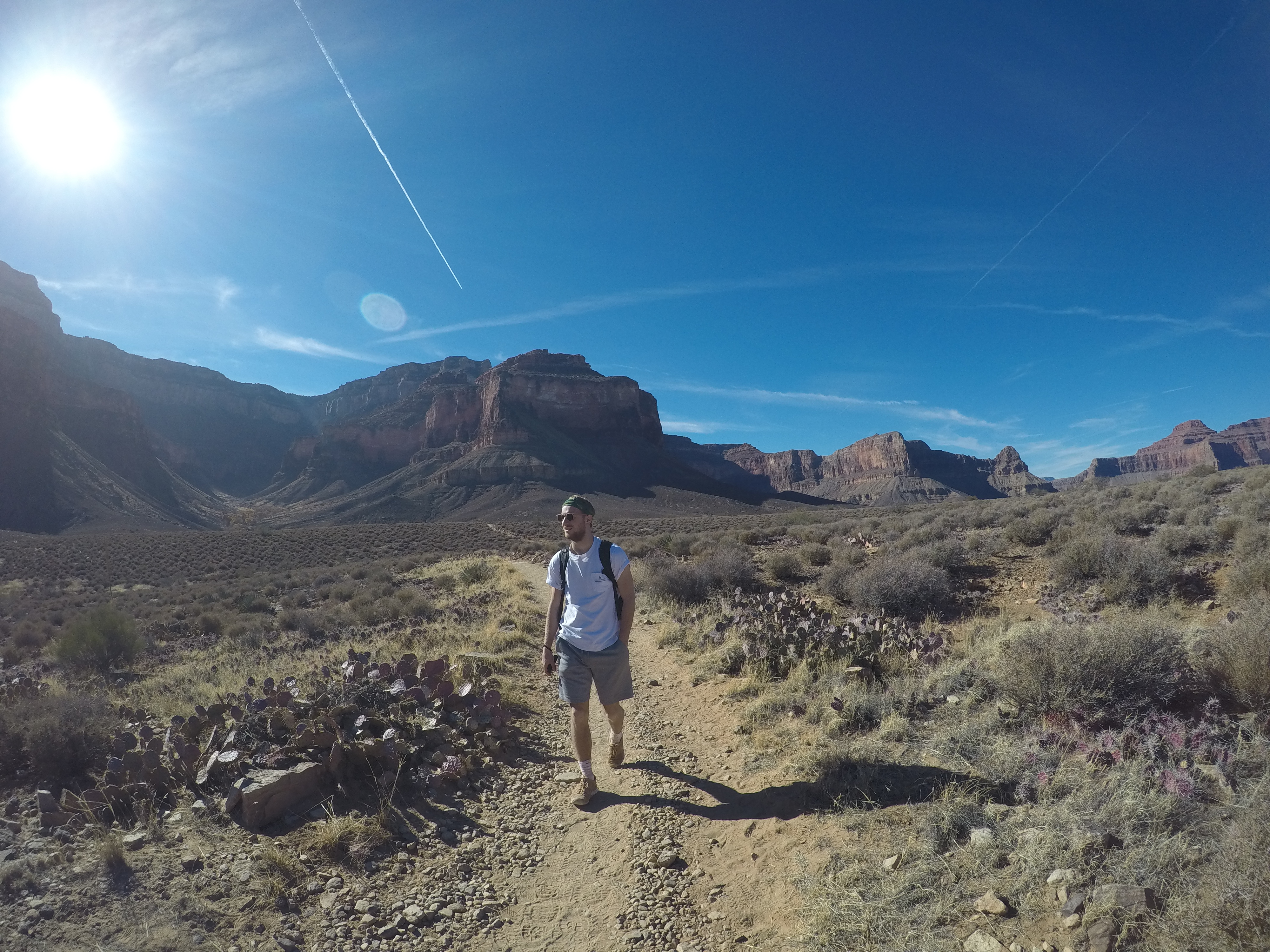
Amerika is het land van de grote steden, veel mensen denken gelijk aan New York, Miami of Los Angeles. Wat nog wel eens wordt vergeten is dat het land de mooiste natuurparken heeft die ik ooit gezien heb. Op de grens tussen Arizona en Utah liggen er een paar heel dicht bij elkaar. De Grand Canyon is de bekendste, maar er zijn er nog veel meer die echt de moeite waard zijn. Vaak moet je 30 dollar betalen om binnen te komen, maar dan kan je wel de prachtigste wandelingen (lees: hikes) maken.

Reizen

Hiken door the Grand Canyon

Reizen

Het Staircase Escalante National Park

Reizen

Zion National Park

LEREN WAT ZELFSTANDIGHEID IS

Door alleen op reis te gaan leer je pas echt wat zelfstandigheid is. Uiteraard, in je eentje naar Amerika afreizen en daar een half jaar studeren vroeg ook om veel onafhankelijkheid, maar heel veel was daar geregeld op de campus. Er was altijd wel iemand die je kon helpen. Alleen op reis anders, ik moest elke dag zorgen voor slaapplek en eten. De uitdaging was om dat zo goedkoop mogelijk voor elkaar te krijgen. Ondanks dat ik mezelf al erg zelfstandig vond heb ik tijdens mijn reis daar nog een extra stap in gezet.

CALIFORNIË EEN LAND OP ZICHZELF  

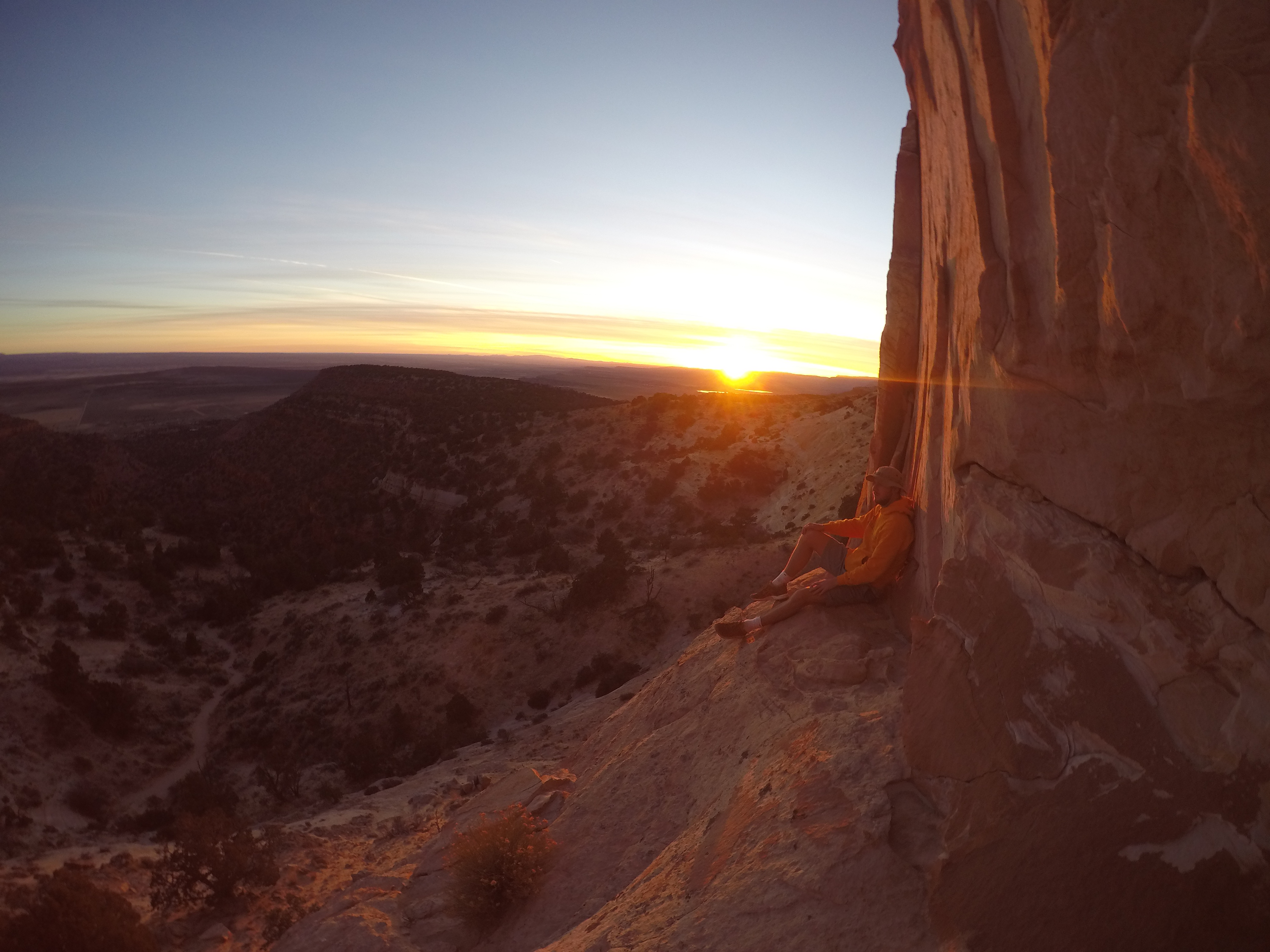
De westkust van Amerika, en met name de staat Californië is een land op zichzelf. De mensen trekken zich weinig aan van de rest van Amerika hebben veel eigen wetten. Er heerst een heel ander soort cultuur. Mede vanwege het altijd warme weer. Ik was er in januari, maar het voelde als hartje zomer. Aan het strand heb ik dus nog even genoten van mijn laatste vakantiedagen. Aan het strand van San Diego zag ik een prachtige zonsondergang.

Reizen

San Diego Beach

Reizen

San Diego Beach

Kortom, door te reizen heb ik de kers op de taart van mijn Amerika avontuur kunnen zetten. Ik leerde niet alleen mijzelf beter kennen, maar ook het land en de mensen. Ben jij ook ergens op reis geweest? Vertel me wat jij daar zoal van geleerd hebt in de comments!

Tot slot, ben jij benieuwd naar meer beelden van waar ik ben geweest? Neem dan een kijkje op mijn Youtube kanaal VanSlootenTV.

Gepubliceerd op: https://www.hetleidskwartiertje.nl/reizen-maakt-rijk/

ALS-patiënt krijgt nieuwe tuin dankzij Haagse vrijwilligers

Paula van Middendorp lijdt aan de terminale ziekte Amyotrofische Laterale Sclerose (ALS). Haar grootste wens is om van haar laatste jaren te genieten in haar eigen tuin. Zelf kan ze hem niet opknappen en daarom schiet een groep Haagse vrijwilligers te hulp.

Op Facebook deed Paula een oproep en kwam zo in contact met Burenhulp en de Haagse Helpers. Die lieten er geen gras over groeien en staken direct de handjes uit de mouwen.

De klus was nog niet meteen geklaard. Het zal nog een paar weken duren voordat de tuin helemaal opgeknapt is.

Gepubliceerd op: https://denhaagfm.nl/2018/09/07/video-als-patient-krijgt-nieuwe-tuin-dankzij-haagse-vrijwilligers/

Studeren in het buitenland; wat leer je daar nou echt van?

Het avontuur zit er op. 6 maanden in Amerika. Tijd voor reflectie. Ik ben een geweldige ervaring rijker, maar heb ik er ook echt iets van geleerd?

Kreten als ‘Een geweldige ervaring’, ‘Je leert er zoveel van’, ‘Studeren in het buitenland verrijkt je als mens’, zijn de clichés die ik telkens hoorde van mensen die er al een buitenlandperiode op hadden zitten. Sommige clichés gebruikte ik voor mijn motivatiebrieven. ‘Ik wil in Amerika studeren omdat ik verwacht skills op te doen die ik in Nederland nooit zal leren.’  Het is allemaal waar, maar wel een tikje vaag.  Even concreet: wat leer je van een semester in het buitenland? Ik geef drie voorbeelden.

1. Moeite met ‘small talk’

Misschien een open deur, maar mijn Engels is met sprongen voorruit gegaan. Vooral de kleine dingen. In het begin had ik moeite met ‘small talk’. Het kostte mij vaak te veel tijd om op de juiste woorden te komen, en een leuk grapje kwam er al helemaal niet van. Door het continue te blijven spreken veranderde dat na een aantal weken. Ik dacht en droomde zelfs in het Engels.

The struggle is real

Mijn struggle met het Engels bleef tijdens de colleges wel een obstakel. Een deel van mijn cijfer hing namelijk af van ‘class participation’. Als ik niet snel genoeg mijn hand opstak om antwoord te geven, dan hadden de overijverige William and Mary studenten het gras al onder mijn voeten weggemaaid. Dit maakte het erg moeilijk om te laten zien dat ik meedeed tijdens de les. Gelukkig waren er ook andere manieren om je ‘participation grade’ in te vullen. Zo ben ik veel langsgaan bij de docenten tijdens hun kantooruren om mijn vragen een op een te stellen.

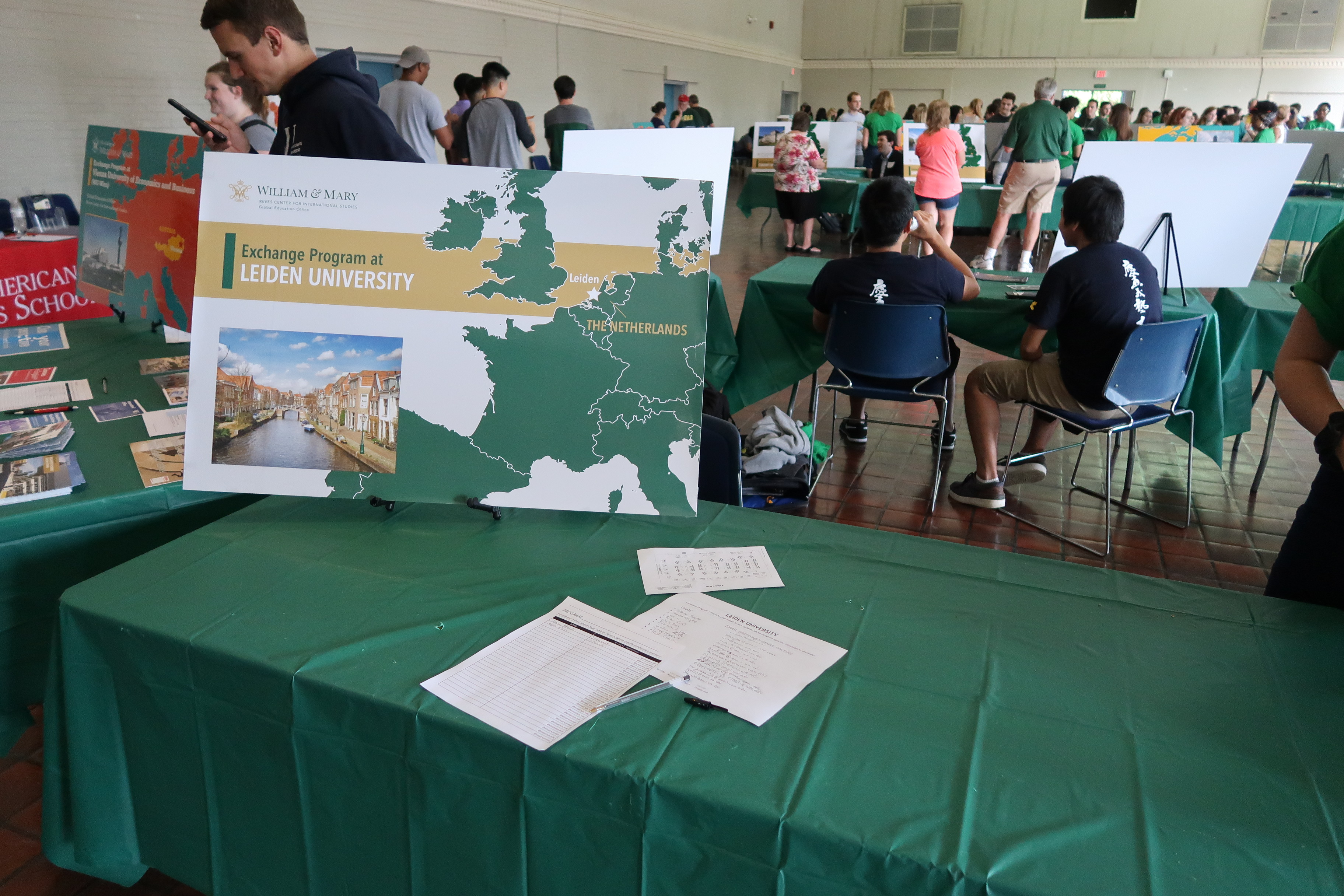
Nederland is erg populair onder de Amerikanen. Voor de William and Mary studenten is een semester in Leiden erg gewild!

2. Hoe kan wiet legaal zijn bij jullie?

Het klinkt misschien gek, maar in het buitenland heb ik veel geleerd over mijn eigen land. Dat komt onder andere doordat ze mij vaak de oren van het lijf vroegen wanneer ze erachter kwamen dat ik Nederlands was. Ik ben inmiddels de tel kwijtgeraakt hoe vaak ik heb moeten uitleggen hoe wiet legaal kan zijn in ons land. Daarnaast was ik zelf heel erg geïnteresseerd in hoe zaken geregeld zijn in Amerika. Het jaarlijkse collegegeld fascineerde mij het meest. Dat ze er hier zoveel geld over hebben om te studeren heeft me toch doen beseffen hoe goedkoop onderwijs is in Nederland. Toen het leenstelsel werd ingevoerd was er vanuit de studenten veel kritiek, maar vergeleken met Amerika mogen we echt niet klagen.

3. In gesprek met de ‘echte’ Amerikaan

Deze man stond hier elk weekend sinds Trump de verkiezingen won

Verder ben ik het land Amerika beter gaan begrijpen. Ik zeg niet dat ik nu een Amerika-expert ben, maar het soms ingewikkelde en irrationele politieke klimaat is mij niet meer onbekend. Dat komt door het vak American Politics dat ik volgde, maar met name door de verschillende mensen die ik gesproken heb. Vooral tijdens mijn reisjes weg van de campus kwam ik de ‘echte’ Amerikanen tegen.

Wat leer jij?

Eigenlijk zijn er nog zoveel meer dingen die ik heb geleerd, maar het blijft lastig te concretiseren. Ik vind bijvoorbeeld dat ik een stuk volwassener ben geworden, maar hoe kan ik dat goed uitleggen? Ik ben eigenlijk wel benieuwd. Heb jij er ook een buitenland ervaring opzitten en wat heb je daarvan geleerd? En als je overweegt naar het buitenland te gaan, wat verwacht je te leren? Laat het weten in de comments!

Gepubliceerd op: https://www.hetleidskwartiertje.nl/studeren-buitenland-leer-daar-nou-echt/

More Than Just A Game

Dit artikel geschreven voor het Amerikaanse magazine ‘The Attendance Question’. Gepubliceerd op: https://medium.com/foozay/more-than-just-a-game-4f3b928dbe7b

Soccer impacts and unifies Dutch society, and for me, it is the storyline of my life.

“Everybody have a seat. Only 5 minutes before the match starts,” my neighbor shouted shrilly, holding a Heineken beer in his hand. I found a spot at the front row before the big screen. The soccer players were about to enter the pitch. A rush of vibrations surged throughout my body.

It was the 13th of June, 2014, when the Dutch soccer team played against Spain, the world champion. Four years ago, the Spanish team had beaten us in the World Cup final of 2010. Every Dutchman with a soccer heart still suffers from that loss, but this was a new World Cup. Time for revenge.

For the last couple of years, in my home town of Haastrecht, it has been tradition for my entire neighborhood to gather to watch the first match of the Dutch team at a big tournament. Before the match, we arranged a BBQ, set up a big moon bounce for the kids, and of course made sure that we had plenty of beer. To support the Dutch team everyone dressed up in orange. I painted my face with the Dutch flag, had my orange sunglasses and wore my favorite orange jersey. Some years there was a prize for the best outfit—the weirder, the better. It was a big and festive occasion.

As the match started, the Spanish team needed little time to score the opening goal. I felt a hollowness begin to develop in the pit of my stomach: were we about to lose again? People in the back of my neighbors’ garden started to make cynical jokes about the players. In their eyes, even their own grandparents would have done better in the field.

Dutch national team

Although the Netherlands is a small country — only 17 million citizens and smaller than the state Virginia—we are big when it comes to soccer. The Dutch team has planted great moments in history of soccer. 1988 is a year every Dutchman remembers. Even people like me, who did not belong to that time period, know it as a year of national pride. It is the year that our national soccer team managed to win a big tournament: the European Cup[1]. Key players of that era like Ruud Gullit and Marco van Basten are still viewed as national heroes.

After that it never happened again, but the Dutch Lions always played a meaningful role on the world stage. Many times, the luck was not on our side. Other times we were just not good enough.

The rules of soccer are the same around the globe, but every country has its own style of playing. The English are known for their tough tackles and high balls[2], the Italians are champions when it comes to defense and our biggest rivals — Germany — always score in the last seconds of the match. Somehow this happens more often when they play the Dutch. Our soccer culture is famous for its attacking style and attractive nature. The Dutch always want to play the game and score as many goals as possible. We focus on technique and tactics rather than using brute physical abilities.

The Flying Dutchmen

The game against Spain that I watched in my neighbors’ backyard in June 2014 is one of the matches I always will remember. In the beginning, it didn’t seem to become a historical match. The Spanish team led by 1–0 after forty minutes being played. Since they controlled the game a loss seemed inevitable, the only question was by how much would we lose. But, the tables turned right before half time. Holland spectacularly balanced the score. From the left side of the field, defender Daley Blind gave a promising cross pass towards our striker Robin van Persie. Instead of controlling the ball and going for a shot, he dove into the ball and headed it directly into the goal, leaving the Spanish goalie no chance. Robin van Persie will always be remembered for this historic goal nicknaming him the ‘Flying Dutchman.’ It was a great moment for the former Feyenoord, Arsenal and Manchester United player who has near the end of his career and wanted to shine one more time at the international stage.

In the second half, my neighbor Jan, whom I actually could not stand, sat next to me. When I was a kid I always played soccer at the end of my street at a spot that we called ‘the wall.’ There was no moment that we were not in a fight with one of the four surrounding neighbors to that spot, but Jan was the worst. He was 50 something, tall, bold and always full of chagrin. Where the other neighbors tried to send us away through asking, Jan reviled us vilely and stole our ball. One time, I was eight years old, he even tried to fight me when I accidentally hit his car, but I managed to run away.

Only ten minutes of the second half played were played when Arjen Robben, the player who failed to make us a world champion in 2010 by missing two clear shots, went for goal. This time the quick attacker — sometimes referred to as ‘the man of glass’ because of his many injuries in the past — did not fail and painted 2–1 onto the scoreboard. I jumped off the bench and cheered with all the passion in my lungs, “What a fantastic goal!” I felt such euphoria from the goal, the adrenaline rushed throughout my body. It made me even give Jan a high-five.

What happened next was surreal to me. The Dutch squad made three more goals and absolutely humiliated the Spanish. After we scored our last goal — Robben dribbled around at least five Spanish foolish defenders including the goalkeeper before he put it in the back of the net — I gave Jan a long intense hug.

Soccer as a lifestyle

My soccer roots originate from a young age. Normally, kids start playing soccer when they are six years old, but I started at the age of five. Later, my parents explained that I was so eager to begin playing that they let me start a year early.

I went to ‘het Scala College,’ a specialized high school that had more opportunities for sports like soccer. To get there I had to travel one and a half hour by bike, train and again bike every day. While most kids had four hours of physical education per week, I had eight, half of which consisted of soccer practice. That started before class at 8am. In the evenings, I practiced with the club team in my home town. My weekends also consisted of soccer. It started with the match on Saturday morning. Afterwards I stayed at the club to watch the first team play. Some Sunday mornings I did go to an extra practice for goalkeepers. In total, I kicked a ball at least 7 times per week.

At High School, I wasn’t the only one with this soccer intensive lifestyle. Not surprisingly, during breaks –in class or on the train back home — the number one topic was soccer. My friends and I discussed every match, analyzing each detail. A debate we never reached consensus on was whether Cristiano Ronaldo from Real Madrid or Lionel Messi from Barcelona was the best player in the world. Messi was a small player with the ability to dribble extremely quick, whereas Ronaldo was a big man who had a magnificent shot on goal[3]. I was in favor of Messi because he aligned more with the Dutch way of soccer. Instead of using strength Messi was a player of technique. Besides, Ronaldo looked silly with a different haircut every half. While discussing this, one side sometimes became aggressive and emotional, but that was only because we were so passionate about it. Soccer was the first thing that truly fostered a bond between us.

The managers

Louis van Gaal — the manager of the national team during the World Cup in 2014 — is the most popular Dutch coach among the fans, but he is feared by the media. Some journalists are afraid to interview him. At one of his press conferences as a coach of Ajax he responded to a journalist: “Am I the smart one here, or are you just stupid? What a horrible question.”

When Louis van Gaal moved to England to lead Manchester United — one of the biggest English clubs — for two years, he gave the English media a hard time by translating his Dutch expressions. A few examples: ‘It is always the same song,’ meaning that his team kept making the same mistake, ‘that is another cook,’ referring to a better opponent his team is going to play and ‘we have to look upstairs, not downstairs,’ meaning his team has to look at the bright side. The English media couldn’t make sense of what he was saying. I thought it was hilarious and I sometimes use the video compilations of his horrible English as an excuse for my not always perfect English — or as I call it, Dunglish.

When it comes down to soccer, Van Gaal is a real professional and he is loved by his players. The coach won a couple great prizes in different countries. Everybody — except the journalists — would have loved to see him leading the Dutch team for many more years. Sadly, Van Gaal retired from the national team after the World Cup of 2014 and with him some experienced players. The Dutch national team was about to experience a grave change.

The soccer federation appointed Guus Hiddink as new manager of the national squad. He had a comprehensive resume, had been manager of big clubs around the world, had won many prizes, but was at that moment 68 years old. Too old? Yes, because he failed unbelievably badly and the federation still regrets the decision to appoint him.

It shouldn’t have been that difficult since the Netherlands drew an easy group. At least on paper[4]. On top of that, time more countries could participate in the European Cup, 24 instead of 16. This should have made it simple to qualify. However, it was still too difficult for Hiddink. The Dutch team missed the European Cup of 2016 and this had major consequences, including for our economy.

Economic consequences

Since the Dutch people love to support their country, playing in a European or World cup gives a big boost to our economy as a whole. Supermarkets run special campaigns and beer brands like Heineken design special soccer bottles and invent gadgets for during the matches.

Missing the European Cup cost our economy 40 million euro in terms of lost revenue according to market research firm GFK, that investigates consumers behavior in the Netherlands. Conversely, when the Dutch team plays in big tournaments the economy blossoms. “The world cup of 2014 in Brazil was worth an extra 54-million-euro revenue,” Joop Holla, director of GFK told news website nu.nl. Since there were now 24 teams competing in the European Cup it results in a longer tournament. “This could have caused higher revenues when the Dutch team stayed in the tournament for a while,” Holla added.

The supermarkets especially suffered. The tradition of watching a match together energizes us to buy more food and beverages, especially beer. As long as the team is doing well, people spend more.

On top of that, supermarkets run special campaigns where the customers can save stamps to purchase various kinds of token items. For every 10 euro groceries, you receive one stamp. A full paper of stamps equals a token or a doll.

These campaigns started in 2006 when the supermarket ‘Albert Heijn’ successfully introduced orange dolls called ‘wuppies.’ These fluffy little dolls had an adhesive layer so they could be placed in cars, behind windows, or on your head. The campaign was so popular that they ran out of ‘wuppies’ before the end of the tournament. The next soccer tournaments, every supermarket introduced its own kind of ‘wuppies.’

Besides supermarkets, individual brands have their own campaigns. The Dutch beer brand ‘Heineken’ designs their own kind of orange beer bottle and gives extraordinary reductions. On top of that a cool gadget comes along the way when buying a large amount of beer. Over the years Heineken offered some amazing stuff: in 2006, they had the ‘Heineken Hoed’ — could be used as both a megaphone and hat, in 2008 there was the ‘Trumpet’ — drums and a hat — and at the World Cup of 2010 in South Africa they introduced the ‘Pletterpet’ — an African Vuvuzela attached to a hat.

Supporting the Belgians

Since my own country didn’t play in the 2016 European Cup, not only the economy suffered, I did too. I had to look for an alternative country to support. Like many other Dutch soccer fanatics, I chose to support the Belgium team. Our neighbors speak almost the same language and many Belgium players are well-known by the Dutch since they played for several big clubs like Ajax and PSV. Amusingly I found a couple Facebook groups named ‘How to become a Belgium supporter.’

I went to Brussels to watch some of the matches there. It was a shame that I had to travel all that way — three hours by train — to support a different country, but nevertheless it was an exciting experience. Belgium is known for its division between the Dutch-speakers — the Flemish — and the French-speakers — the Walloons. The capital Brussels is where these two groups merge with one another. Yet, when there is soccer on the screen no one cares about the division, only about the game. With arms locked, the Belgians sing in harmony to support their nation, “Tous ensemble, tous ensemble!” which translates to “All together, all together!” Unfortunately, they only made it to the quarter finals where they lost to Wales, but at least the Belgians did better than us and I had a good time enjoying the Belgium beers.

World Cup 2016

Luckily soccer is big enough that every two years there is a big tournament. After the deception of missing the European Cup in 2016 we could focus on the next World Cup. The Dutch team was in a group with big soccer nations like France, Sweden and Bulgaria. We soon realized that it would not be easy. Only the number one team qualifies for the World Cup directly; the second place is offered a playoff match, which was the more realistic option for us.

The team did not play well in the first couple of matches, but at least we won them. Next, we were up against better opponents. We lost to France and tied Sweden. A crucial moment in the qualifications was the game against Bulgaria- no win meant a very unlikely chance of qualifying.

On Saturday night of the 25th of March 2017, I was planning to go out with my friends from high school whom I had not seen in a long time. We got together to pre-game and watch the World Cup 2018 qualifier match of the Dutch squad against Bulgaria at Sven’s place. Since his parents divorced he has the house to himself almost every weekend. The beers tasted as delicious as they always have and I savored each sip as it rolled down my tongue. A nostalgic sensation came over me and it brought me back to the old times of high school adventures with my friends. We discussed the formation in the field: “Why is this 17-year old defender in the first 11?[5]” Nobody had a good explanation, although my friend Sven’s was the most appropriate, “He plays for Ajax, the best club of the country.” I agreed, because I was an Ajax fan myself.

Hopeful, we watched the start of the game. Predictions differed from 0–1 to 0–4, all my friends were certain that the Dutch would beat the Bulgarians. “I don’t even know of a single Bulgarian player,” Sven said grinning. The reality turned out to be different. The Bulgarian team was more focused, quicker and more precisly throughout the entire match. They toyed with the Dutch team like it was just a training session. It was so embarrassing to watch. In the second half, no one uttered a single word. We were all so disappointed and I remember someone stepping outside for a smoke because they could not take another look at the screen. I kept watching, not because I was not heartbroken as well, but because it was freezing outside and I do not smoke. Eventually we lost 2–0.

I interrupted a silence which had lasted for ten minutes now. “Who still wants to go out?” A couple of my friends shook their heads. “I am not in the mood,” one replied. The others were not either, but still decided to go out to “drink away the loss.” I joined them. We went to our favorite club, but I did not have a happy experience. It was not a night to celebrate, but to mourn.

One of the reasons why soccer is such an interesting sport is the fact that miracles actually can happen. A team can come back from a hopeless situation, but not this time for the Dutch team. We won our last match against Sweden, but failed to make it to the World Cup, again. Although we saw it coming, it hit the nation like a sledgehammer.

Small and diverse

We are a small, but really diverse country. There are nearly 200 different nationalities living in the Netherlands. When we had a shortage of labor, many people from Morocco and Turkey immigrated in the late 1970s. Another big migration flow came from our former colony Suriname. Although we needed these people and welcomed them with open arms, it has led to segregation in our country. Most of the former immigrants live together in economically challenged neighborhoods. They tend to hang out with their own people since they share the same culture. This often results in tensions between the Dutch and the former immigrants.

The unhappiness of the Dutch people with the current segregation is visible in the popularity of right-wing politician Geert Wilders. He accuses the former immigrants as criminals and prefers to — as he says it — ‘move them back to their own.’ Despite these hateful statements, Wilders’ party become the second largest party in the last election in 2017.

Sports could be the solving element in our segregation problems. The website of NOC*NSF — the general Dutch sports federation — reads. ‘Sports unifies and inspires. It contributes to the society and every individual.’ It is the reason why the government encourages and subsidizes sports so much in the Netherlands. It is the reason why our King is present at all of the important matches. It is the reason why our prime-minister recognizes outstanding athletes when they win a gold medal. The government wants to create unity.

For me, soccer is more than feeling united with my country, it the storyline of my life. Most of my friends I have now, I first met through soccer. Sometimes I played with them, other times I played against them, or got to know them simply by having discussions about the game.

Even during my time as an exchange student at William and Mary, soccer has been the tool to make friends and meet people. I play as a goalkeeper for the club soccer team. We practice three times a week and play against other universities in Virginia. After a whole semester of soccer, I consider my teammates as good friends on and off the pitch.

Soccer is also what my roommate and I have in common. When he introduced himself, he mentioned that he was a huge soccer fan. I knew immediately that we would get along. We watch games together and discuss the latest transfers of players. Sometimes, he knows even more Dutch soccer players than I do.

Since the Dutch team didn’t qualify, I hoped he would not have the same grief for the American team. I joined him to watch the last match against Trinidad and Tobago. A tie was enough for the team to qualify for the World Cup 2018. Chris didn’t even think about not qualifying: “We are not the Netherlands.” Unfortunately, we share the same destiny. USA was beaten by Trinidad and Tobago and did not make it to the World Cup. For at least ten minutes Chris stared at the screen saying nothing. He was devastated. I tried to comfort him: “I know how you feel, it sucks.”

Soccer is a simple game. For 90-minutes eleven players on both sides try to score at least one goal more than the opposite team. Yet soccer is so much more.

[1] The European Cup is held every four years and is for European countries only. Big soccer nations like Brazil and Argentina are excluded which should make it easier to qualify.

The World Cup is also held every four years, but two years after the European Cup. This results in a big tournament every two years. The World Cup has more prestige internationally.

[2] Playing high balls is an efficient way to get to the opponent’s goal, but is by many soccer fans seen as an ugly way of playing the game. They prefer short passes and possession. However, the English supporters love this kind of play.

[3] The Portugese attacker is famous for his accurate free kicks and penalty’s.

[4] The Dutch played small soccer countries like Latvia, Kazakhstan, Turkey, Iceland and Czech Republic

[5] Mathijs de Ligt, 17 years old and defender for Ajax played his first match for the Dutch team. Because of injuries and suspension, he was able to make his debut in such an important match.